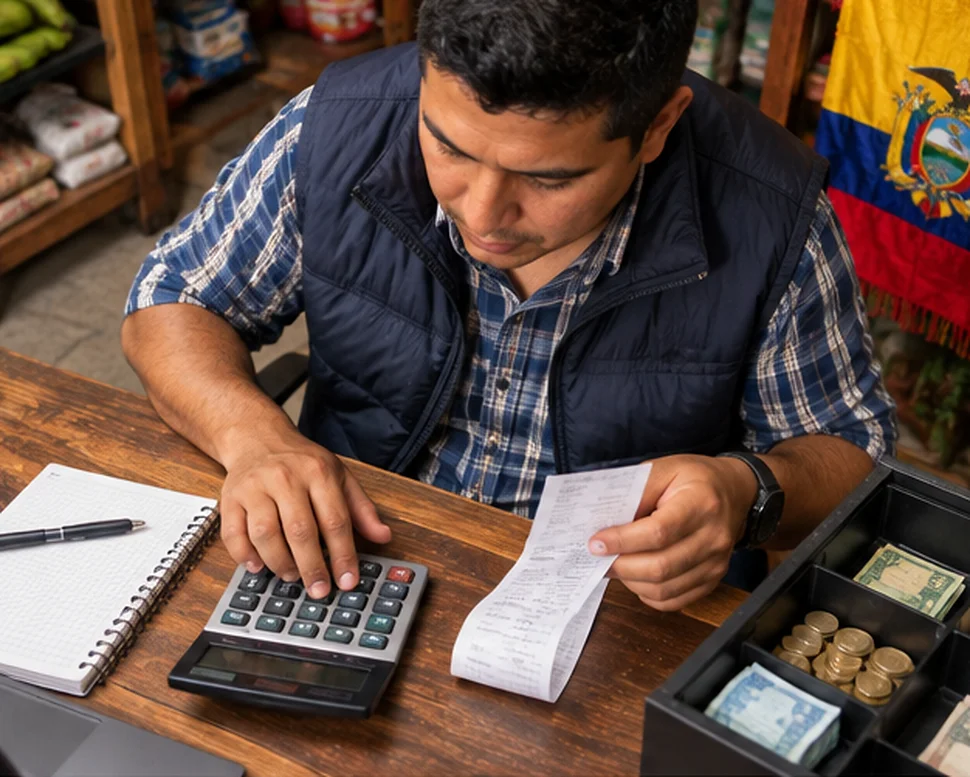

A promising commission percentage is not enough to make a local payment point useful. The central question is whether real customers would prefer an authorised cash-desk service over the payment methods they already use. Before opening an agent account, study the practical friction in your own district: when people seek assistance, which channels they trust and what level of service you can sustain without excessive cash or time commitments.
Start with behaviour rather than population size#
A busy street does not automatically imply demand for account funding. Consider the kinds of customer questions nearby shops already receive, the availability of bank cards and e-wallets, and whether users ask for help with deposits or withdrawals. A local market where digital transfers are effortless may need fewer staffed counters than one where cash remains common. No estimate is meaningful unless it is based on actual observations rather than a national headline.
Map competing ways of making a payment#
Identify authorised options a customer can use today: direct digital payments, bank-supported transfers, and local service desks. Compare convenience, opening hours, receipt quality and the ease of resolving errors, not merely price. A new agent point can distinguish itself through clear instructions and reliable service, but should avoid claims that other providers are unsafe or slower without direct evidence.
Compare expected enquiries with the local demand assessment, then test the proposed operating format using the local payment-habits framework.

Service demand, staffing and local payment habits help determine whether the model fits a market.
Ask whether liquidity can match the pattern#
Deposits and withdrawals create different demands on a small operator. A street with many account top-ups may require careful balance replenishment; a location with sporadic large withdrawals needs physical liquidity and a transparent method for deferred service. Build a conservative estimate for a quiet period and a busy period. When cash coverage is uncertain, reducing promised service scope is more defensible than improvising on the spot.
For the service mechanics behind the market decision, the 1xBet Agent overview can be consulted alongside first-hand observations of local payment preferences.
Market assessment prompts#
- Which payment problem is the proposed counter solving for a real customer?
- What alternatives are already available within normal walking distance?
- How would a customer obtain a clear status or receipt during busy periods?
- Can the business cover withdrawals without interfering with unrelated cash?
- Which observations are confirmed, and which require direct validation?
Turn observations into a go or no-go decision#
Create a one-page market note containing likely opening hours, dominant payment habits, available equipment, support languages and the number of realistic service requests you could handle. Mark what has been directly observed and what remains only a hypothesis. Review the results after speaking to a verified programme contact, because a local demand opportunity still depends on whether the proposed operating model is approved.
An illustrative neighbourhood comparison#
Imagine two streets with equal foot traffic. On the first, most people use established digital wallets and rarely seek human payment assistance. On the second, several merchants already explain cash transfers and visitors regularly ask for help interpreting receipts. The second location may warrant more investigation, but neither observation establishes future revenue. Test what customers actually need before committing working capital.
Base the decision on service fit#
The best local market is not necessarily the one with the highest advertised percentage. A viable setup combines customer demand, approval, safe processes and enough liquidity. Recheck these elements before treating any 2027 location plan as settled.
#LocalPayments #AgentBusiness #MarketAssessment